01
Intake
Calls, inquiries, customer details, appointments, and follow-up ownership.
Construction operating system · Case study
A purpose-built operating layer connecting the people, records, and decisions behind a growing Sacramento design-build company.
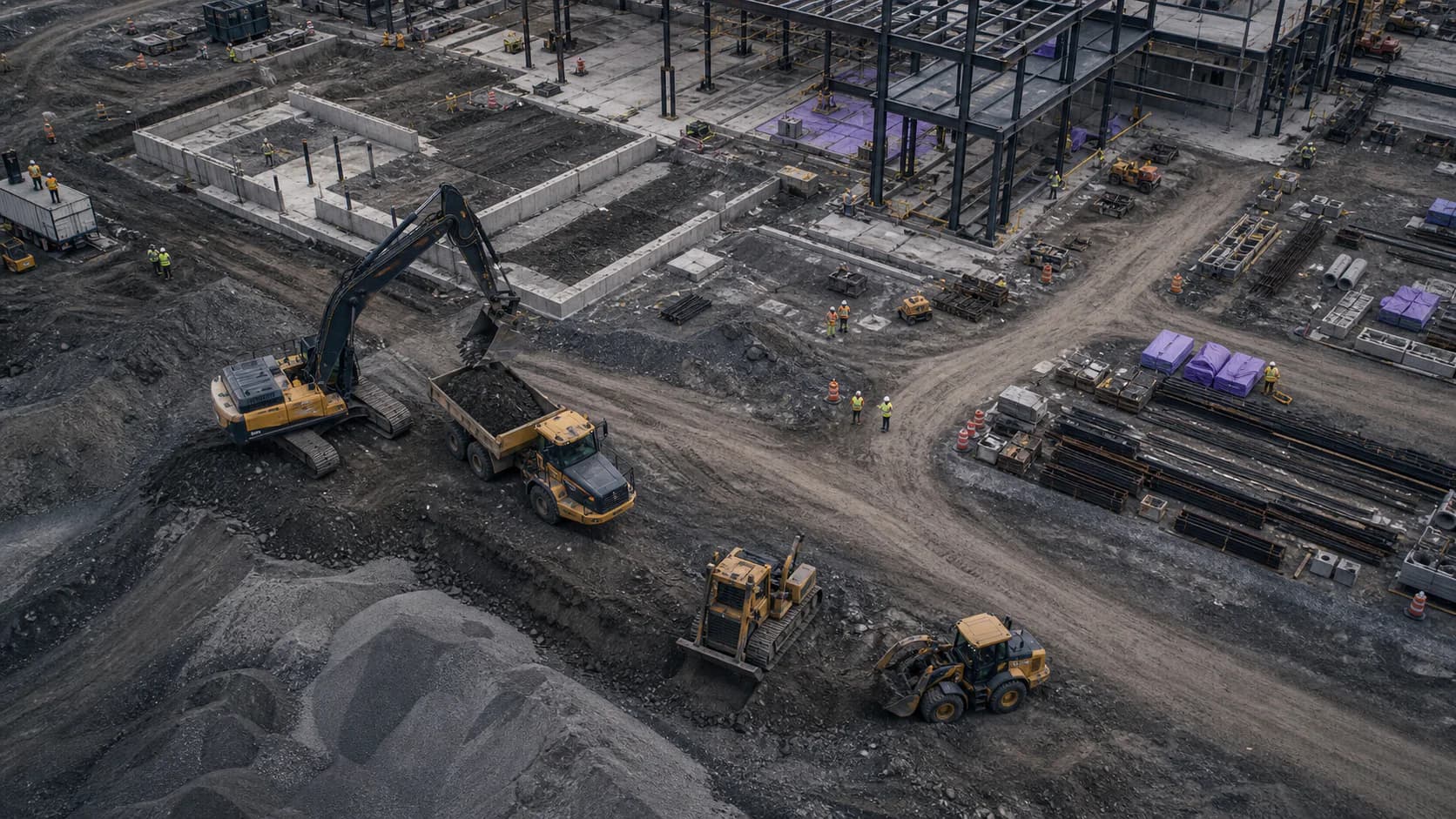
The objective was not another dashboard. It was one operational model for the whole company.
The operating problem
Every customer request creates a chain of calls, appointments, estimates, schedules, labor decisions, material movements, documents, approvals, field updates, and financial records.
USATII designed a shared model around those relationships so each department could work from the same operational truth instead of rebuilding context inside separate tools.
01
Calls, inquiries, customer details, appointments, and follow-up ownership.
02
Projects, schedules, crews, work orders, changes, documents, and field evidence.
03
Materials, purchasing, inventory, equipment, vendors, and job-level usage.
04
Permissions, approvals, activity history, financial context, and management reporting.
Impact across the operation
The system is designed to remove duplicate entry, manual handoffs, and time spent reconstructing the state of the business.
A shared view of projects, labor, materials, and financial exposure replaces status checks across disconnected tools.
Leadership
Operational impact
What the system connects
Information follows the relationship from the first inquiry through active work and closeout.
Schedules, tasks, labor, materials, documents, changes, and costs stay connected.
Teams can see what changed, who owns the next action, and which evidence supports a decision.
Repetitive classification, summaries, routing, reminders, and reporting can be added with human control.
Start with one operational bottleneck